Asphalt Resurfacing vs. Replacement - How Eugene Property Owners Choose the Right Fix
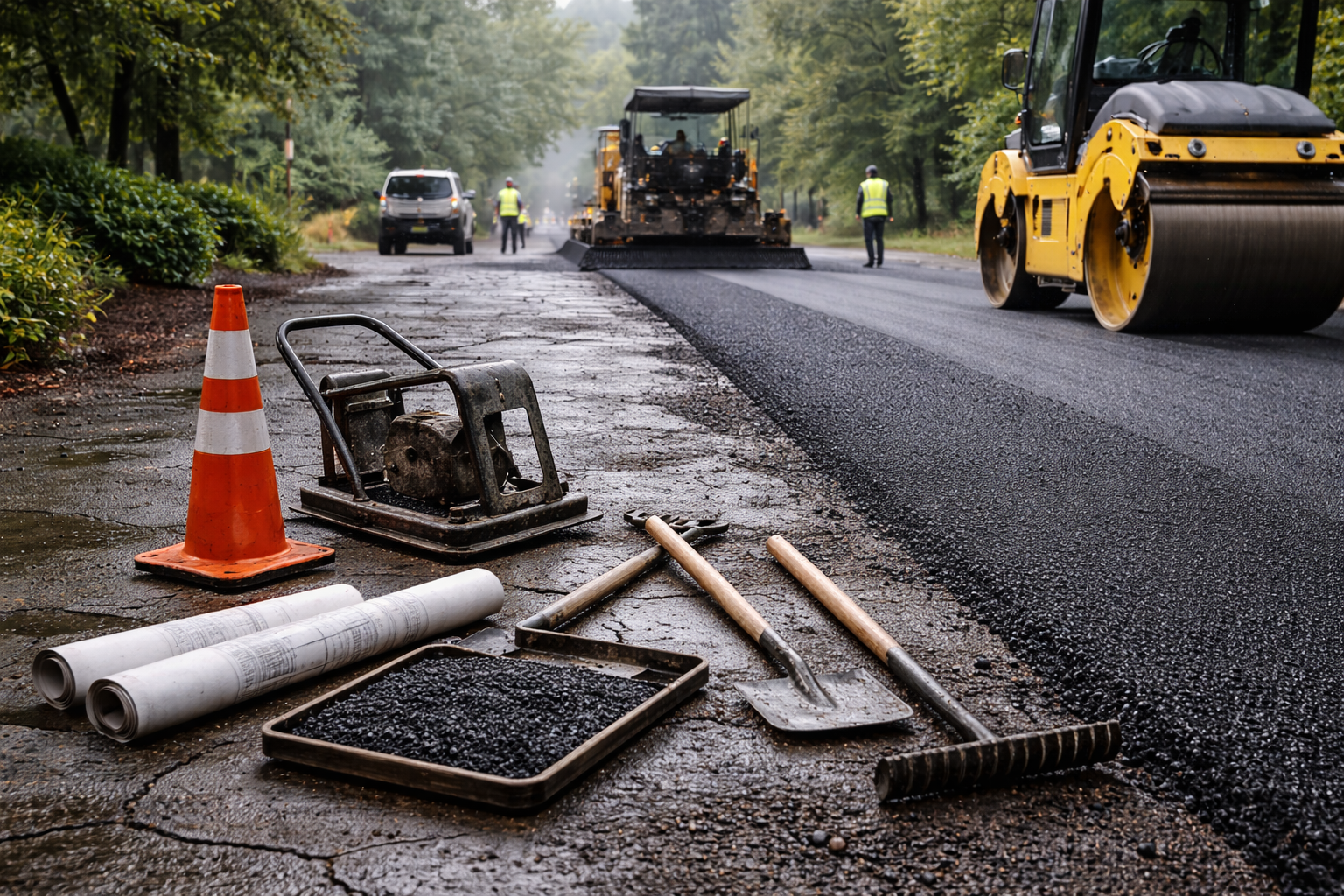
When asphalt starts showing its age, property owners often face the same question: should the surface be resurfaced, or is full replacement the smarter move? In Eugene, where frequent rain, moisture retention, and freeze-thaw cycles put constant stress on pavement, making the right call is critical to avoiding wasted money and premature failure.
Understanding the difference between resurfacing and replacement helps property owners protect their investment and maintain safe, functional surfaces year round.
Understanding the Difference Between Asphalt Resurfacing and Full Replacement
Asphalt resurfacing involves applying a new layer of asphalt over an existing surface that still has a structurally sound base. It refreshes the appearance and restores functionality without removing the entire pavement system.
Full replacement means removing the existing asphalt and rebuilding the pavement from the base up. This is necessary when structural issues exist below the surface.
The right option depends on what is happening beneath the asphalt, not just what is visible on top.
Why Eugene Weather Makes the Decision More Critical
Eugene’s climate introduces challenges that accelerate asphalt deterioration. Constant moisture seeps into cracks, and freeze-thaw cycles expand small problems into major structural failures. Moss growth and organic debris also trap moisture on the surface.
These conditions mean surface damage often reflects deeper issues. Choosing resurfacing when the base has already failed can lead to rapid cracking and costly do-overs.
When Asphalt Resurfacing Makes Sense in Eugene
Resurfacing is a strong option when the underlying foundation remains stable and damage is mostly surface level.
Resurfacing is typically appropriate when:
• Cracks are shallow and limited in number
• No widespread alligator cracking is present
• Drainage is functioning properly
• The pavement is generally level with minimal sinking
• The asphalt is aging but not structurally compromised
In these cases, resurfacing seals out moisture, restores traction, and extends pavement life without the disruption and cost of full replacement.
When Full Asphalt Replacement Is the Smarter Choice
Replacement becomes necessary when moisture has compromised the base layers. In Eugene, this is common when drainage issues have gone unaddressed for years.
Replacement is usually required when:
• Alligator cracking covers large areas
• Sections are sinking or pumping water
• Potholes return quickly after patching
• The base has been weakened by prolonged moisture exposure
• The asphalt has exceeded its expected service life
Replacing the pavement ensures long term stability and prevents repeated surface failures.
Cost Considerations - Short Term Savings vs. Long Term Value
Resurfacing is less expensive upfront and faster to complete, making it appealing for many property owners. However, if underlying issues exist, resurfacing can become a temporary fix that fails prematurely.
Replacement costs more initially but provides a longer service life and reduces maintenance costs over time. The right decision balances current budget concerns with long term performance.
Who Should Consider Each Option
Resurfacing works well for:
• Homeowners maintaining driveways with minor wear
• Commercial properties with light surface damage
• Pavement that has been consistently maintained
Replacement is better suited for:
• Older pavements with repeated failures
• Properties experiencing drainage or base issues
• High traffic areas where durability is critical
What Professional Asphalt Evaluation Looks Like
A proper assessment goes beyond surface appearance. Professionals evaluate drainage, base stability, crack patterns, and moisture intrusion. In Eugene, understanding how water moves across and beneath the pavement is essential.
An experienced contractor recommends the solution that prevents future failure rather than the quickest surface fix.
Steps Eugene Property Owners Can Take Before Deciding
Property owners can prepare by:
• Monitoring how water drains after heavy rain
• Noting recurring cracks or potholes
• Avoiding repeated patching without evaluation
• Scheduling a professional inspection early
Early intervention often allows resurfacing before replacement becomes unavoidable.
Common Questions About Asphalt Resurfacing vs. Replacement
Can resurfacing fix cracks permanently?
Resurfacing seals minor cracks, but structural cracks caused by base failure will return.
How long does resurfacing last in Eugene?
With proper preparation and maintenance, resurfacing can last 8 to 15 years depending on traffic and drainage.
Does replacement eliminate future cracking?
Replacement provides a new foundation, but ongoing maintenance is still necessary to maximize lifespan.
Why Eugene Property Owners Trust Seal It Up!
Seal It Up! brings a practical, weather-wise approach to asphalt repair in Eugene. We understand how rain, moisture, and temperature swings impact pavement performance. Our recommendations focus on durability, cost efficiency, and long term results - not quick fixes.
Schedule a Pavement Evaluation with Seal It Up!
If your asphalt is showing signs of wear, do not guess.
Schedule a professional evaluation with Seal It Up! and get a clear, honest recommendation tailored to Eugene conditions.